
If you draw a circle around the lift station on a civil map it’s easy to envision it as an element of self-contained equipment.
The water is actually pumped from a source and sent to the station. It also depends on the structure such as power, control, and access to the site.
If you are looking for the top design of lift stations, it is helpful to inquire if the engineers consider those interfaces, as well as what happens at the station.
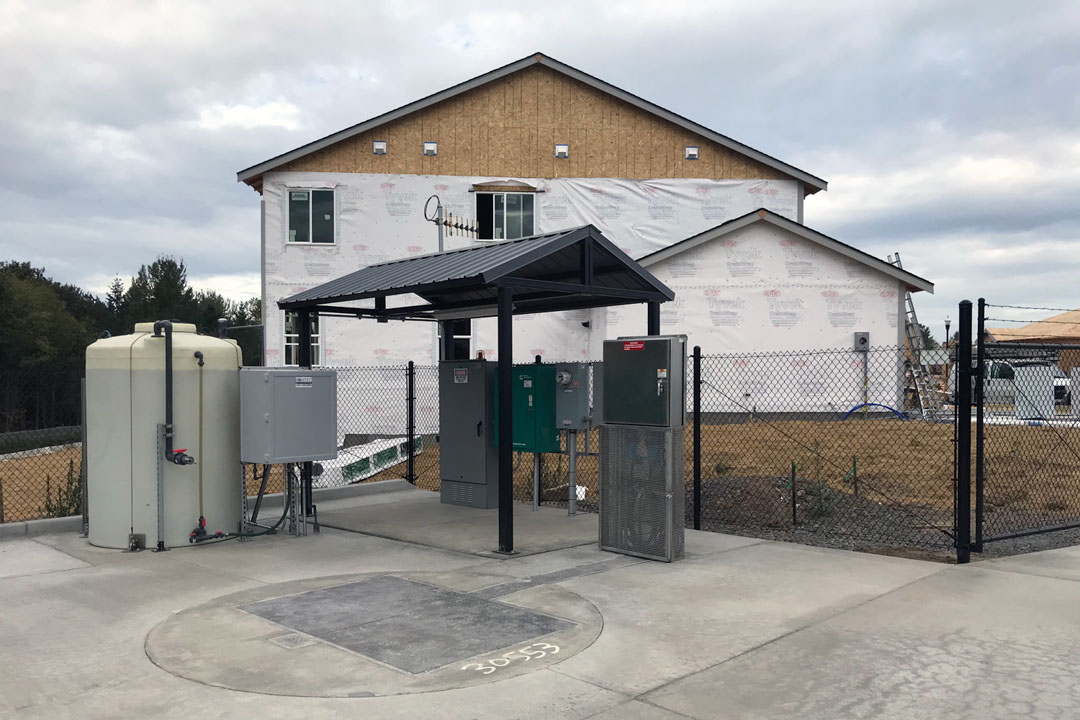
Image credit: romtecutilities.com
Start to go upstream from the Wet Well
Consider a residential development. The wastewater flows through the system of collection to the lift station. The capacity of the lift station is determined by the inflow stream and the elevation of site.
After the water is wet and another set of engineering decision-making begins. The valves, pumps, piping, structural components, controls, and perhaps auxiliary equipment must be suited to the specific application.
Romtec Utilities engineers wastewater systems specifically designed for specific locations, which include industrial, commercial, municipal and development.
The project-specific approach is important because altering what happens downstream can alter the goals that the pumping facility must accomplish.
Continue to follow the water well beyond the pumps
The engineering challenge doesn’t stop after the liquid is removed from the wetwell. The pumping systems have to be able to push the liquid to meet the hydraulic requirements of the downstream systems. Head and flow conditions are required. therefore influence pump selection and station configuration.
That connection is particularly important when evaluating the best wastewater designers. It is not sufficient for a machine to have impressive specifications on its own. It must also perform well within the hydraulic system.
Romtec Utilities is able to develop all the components that make up an entire pumping plant. This includes the structure and the mechanical, electrical and communication in a complete package. This makes it easier to coordinate the equipment needed for the project.
Stormwater is a system that is its own
Stormwater creates a new infrastructure puzzle. Runoff from paved surfaces can enter an infrastructure for collection before passing through detention, drainage or flood control. Pumping stations are part of a larger stormwater management strategy.
For organizations searching for the most efficient stromwater system designers It is important to consider whether the conditions on the site, head requirements, flow rates, environmental considerations, and the plan for stormwater are analyzed in conjunction.
Romtec Utilities provides customized stormwater pumping systems for residential and commercial projects.
Coordination Extends Above Ground Too
There are many interfaces that do not involve the use of piping. Electrical service is essential to help support equipment. Control and communication systems should be customized to the specific project. Contractors need plans and documents. For startup, installation and later services, physical access may be required.
The system documentation is important because these connections could include multiple disciplines and participants. Romtec Utilities provides complete plan sets, along with project documentation and supports its systems with initial testing, startup and commissioning.
Look Outside the Station Boundary
If the external connections of a lift aren’t properly thought of, a well-engineered lift station could remain a component of an uncoordinated project.
Water offers a greater perspective on design. Where is it originating? What requirements must it satisfy before it can reach the station? What happens during its stay there? Where will it go? What infrastructure supports the entire process?
These answers transform the concept of lift stations from a simple equipment exercise to a complicated infrastructure task.